Why this practice exists
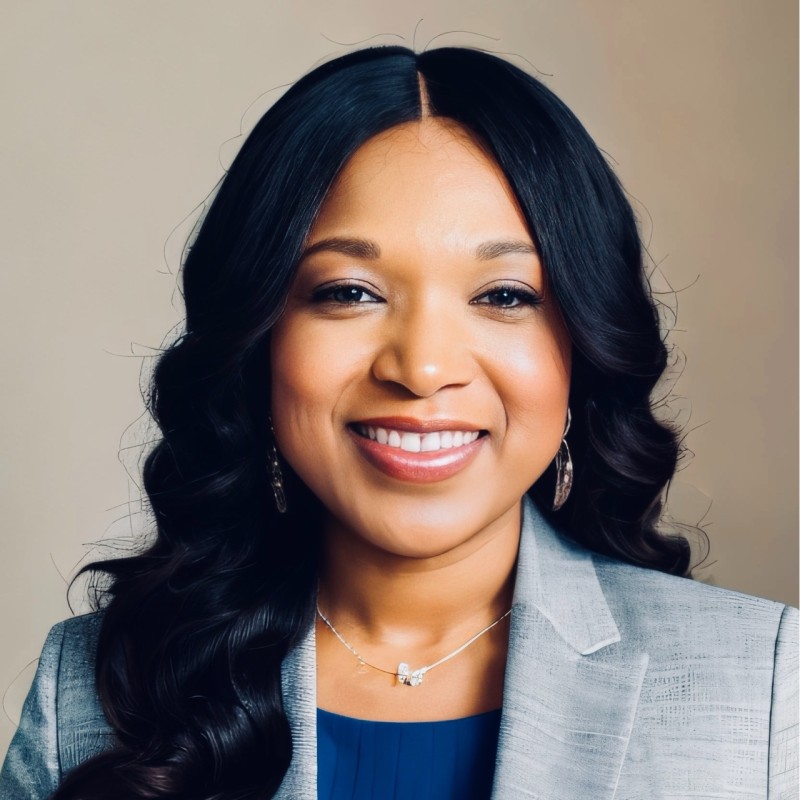
I have spent over twenty years in this field. I have led teams, built programs, mentored other clinicians, and worked with hundreds of families across schools, clinics, and consulting work.
What I kept seeing was the same thing. Parents with real, urgent needs sitting on long waitlists, then getting sessions that felt more like an assembly line than therapy. Thirty minutes because thirty minutes is what gets reimbursed. A new speech therapist too often because of staff turnover, making it harder for your child to build a consistent relationship and routine. A plan built around the billing code rather than the child.
TimeWise is what I built when I decided I could do it properly. Direct pay, so no insurer decides how long a session runs or when it stops. A small caseload, so the work stays personal. And one clinician, so nobody re-learns your history every few weeks.
How I work
Three things shape every plan I write.
Session length follows clinical need. Some clients need thirty focused minutes. Some need an hour. That is a decision made in the room, not in a benefits table.
The work continues at home. Every client leaves with structured assignments. Most communication learning happens between sessions, and families who do the home practice usually see progress more quickly.
Parents are trained, not just updated. Parent coaching is an essential part of your child's progress. Speech therapy works best when therapists and parents work as partners, building the skills that help your child communicate more successfully.
Credentials
Please check those license numbers yourself. Both boards publish a free public lookup, and you should be able to verify any clinician you are considering, including this one.